
How to Book Speakers for a Corporate Conference
There’s a moment at every corporate conference where the lights dim, the intro music starts, and everyone in the room collectively decides whether they’re about to be inspired… or trapped in a 45-minute presentation they’ll spend secretly answering emails. A great speaker can completely transform an event. They can energize a tired audience, spark conversation, reinforce company goals, and create the kind of moments attendees actually remember long after the conference ends. A bad speaker creates a different kind of memory entirely.
The good news is that booking the right speaker is not luck. It’s a process and we've broken down the guide on how to do it well.
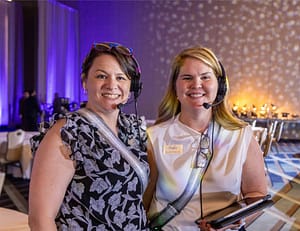
And if you need help parsing what your event's "why?" is, we're here to help!
 Start With the Purpose of Your Event
 Start With the Purpose of Your Event
Before researching speakers, take a step back and figure out what your conference actually needs. This sounds obvious, but it’s where a lot of event teams go wrong. People often start searching for “top keynote speakers” before they’ve defined what success looks like for their event.
Are you trying to motivate employees after a difficult year? Educate attendees on industry trends? Launch a product? Build company culture? Create excitement around a brand? The answer determines the type of speaker you should pursue. An inspirational speaker may work perfectly for a leadership summit or annual kickoff meeting. An industry expert might be a better fit for a healthcare, finance, or technology conference where attendees want practical insights and credibility. Some events benefit from a high-profile celebrity speaker who generates buzz and drives registrations, while others need someone more relatable and conversational.
The best speakers align with the emotional tone and goals of the event itself.
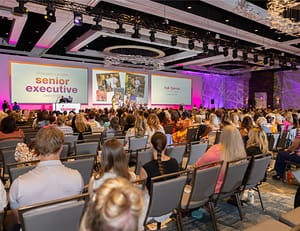
Make sure your event is putting it's money where it's needed most.
Understand What Your Budget Really Allows
This is the step where reality usually enters the conversation. Speaker fees vary dramatically depending on experience, visibility, industry expertise, and demand. Some talented emerging speakers may charge a few thousand dollars, while major celebrity keynote speakers can cost more than an indie movie budget. And the speaking fee is never the only expense involved. Travel, hotels, transportation, production requirements, meet-and-greet appearances, and technical requests can add up quickly. Many clients forget to factor in these additional costs until they’re already deep into negotiations.
The important thing is not necessarily booking the most expensive speaker. It’s booking the speaker who delivers the most value for your audience and event goals. A lesser-known speaker who deeply understands your attendees will almost always outperform a big-name speaker delivering a generic presentation they’ve repeated at twenty other conferences.
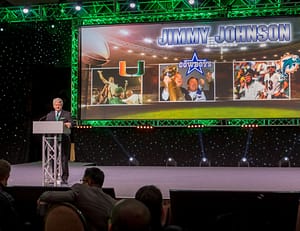
Can you guess the audience demographics for this speaker?
Think About Your Audience First
The audience should always drive speaker decisions. A room full of executives has very different expectations than a room full of sales teams, franchise owners, healthcare professionals, or young professionals early in their careers. The strongest conference speakers understand who they’re talking to and adjust their content accordingly. Today’s audiences can tell immediately when a presentation feels generic or recycled. People want speakers who understand their challenges, their industry, and what matters to them professionally.
This is why relevance matters more than fame. An audience would often rather hear meaningful insight from someone who understands their world than listen to a celebrity tell stories that have nothing to do with why attendees showed up in the first place.
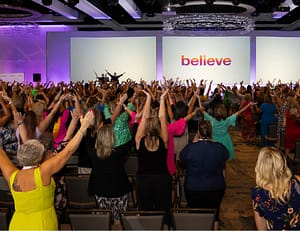
A perfect event flow and a perfect speaker = a memorable event.
Research Speakers Carefully
Once you know what kind of speaker you need, it’s time to start researching. And no, watching a polished 90-second promo reel does not count as thorough research.
Watch full presentations whenever possible. Look at how speakers interact with audiences, handle transitions, answer questions, and maintain energy throughout an entire session. Some speakers are incredible marketers and average presenters. Others are phenomenal live speakers with less polished online branding.
Pay attention to audience reactions. Are people engaged? Laughing? Taking notes? Or quietly checking their phones and mentally planning dinner? It’s also helpful to look beyond traditional speaker bureaus. Great conference speakers are often discovered through podcasts, industry events, LinkedIn, TEDx talks, or referrals from other event professionals.

Read more about Erin King in our Speaker Spotlight Series!
Build the Speaker Into the Experience
Even a fantastic speaker can struggle in the wrong environment. Conference energy shifts throughout the day, and smart event planning takes that into account. High-energy keynote speakers often work best opening or closing the day, while more educational or technical sessions tend to land better when audiences are fresh and focused. Meanwhile, putting a deeply technical presentation immediately after lunch is a risk no matter how talented the speaker is. Human attention spans and pasta have never worked particularly well together.
The agenda should feel intentional from start to finish. Sessions should build momentum rather than compete with each other for attention. Once your speaker is booked, preparation becomes just as important as scheduling. The best presentations happen when speakers have enough context to tailor their content specifically to your audience. Share information about attendee demographics, company culture, conference themes, event goals, and any messaging leadership wants reinforced. The more informed the speaker is, the more personalized and impactful the presentation becomes.
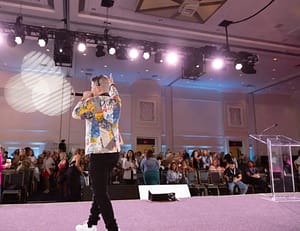
Metrics, metrics, metrics!
And absolutely schedule a technical rehearsal. Every event planner has at least one story involving frozen slides, broken microphones, missing presentation files, or a speaker confidently asking, “Can everyone hear me?” while speaking into a completely muted mic. Rehearsals may not be glamorous, but they prevent the kinds of problems attendees remember forever.
Measure Whether the Speaker Actually Worked
Once the event ends, evaluate the speaker’s impact honestly.
Look beyond applause and review attendee feedback, engagement levels, social media reactions, and post-event conversations. Which sessions generated buzz? Which speakers held audience attention? Which presentations continued showing up in conversations the next day? Sometimes the speaker everyone was unsure about becomes the surprise highlight of the conference. Sometimes the expensive celebrity keynote ends up being described in surveys with the single most painful piece of event feedback possible: “Fine.”
The best conference experiences are the ones that feel personal and intentional. A great speaker helps create that feeling. They bring stories, perspective, humor, insight, and humanity into the room in a way that reminds attendees why they showed up in the first place.
And while finding the right speaker takes research, strategy, budgeting, and a fair amount of coordination, the impact is worth it. When the right person steps onto that stage, everything else about the event starts to feel stronger. Conversations become more engaging. Audiences become more invested. The energy shifts in a way people can actually feel. If you’re planning a corporate conference and looking for the perfect keynote speaker, panel moderator, or industry expert, our team can help you find talent that connects with your audience and elevates your event experience from start to finish.