
12 Ways to Make Your Next Meeting More Accessible
Whether it's making registration easier to navigate, providing better signage, or investing in live captioning for a larger conference, every step helps create a meeting where more people can fully participate. We've organized these tips from the quickest, lowest-cost improvements to larger investments that can make a significant impact in making your event accessible.
No matter your budget, there's always an opportunity to make your next meeting a little more welcoming.
1. Ask About Accessibility Needs During Registration
Difficulty: ★☆☆☆☆ | Cost: Free
One of the easiest ways to improve accessibility is simply asking attendees what they need. Include optional questions during registration about mobility accommodations, dietary restrictions, hearing or vision support, sensory considerations, and any other requests. Not every event will need every accommodation, but knowing in advance allows your team to prepare instead of reacting onsite.
2. Write Easy-to-Read Communications
Difficulty: ★☆☆☆☆ | Cost: Free
Avoid dense paragraphs, tiny fonts, and low-contrast colors in emails, agendas, signage, and presentations. Clear communication benefits everyone, not just attendees with visual disabilities.
Simple improvements include:
- Larger font sizes
- High color contrast
- Plain language
- Avoiding information that relies only on color
3. Make Dietary Needs a Standard Part of Planning
Difficulty: ★☆☆☆☆ | Cost: Low

Food allergies and dietary restrictions are accessibility issues, not just preferences. Clearly label buffet items, train catering staff on ingredients, and ensure attendees with allergies or dietary restrictions have quality options that don't make them feel like an afterthought.
4. Share Event Information Before Attendees Arrive
Difficulty: ★★☆☆☆ | Cost: Low
For many attendees, particularly those with mobility challenges, anxiety, autism, or other sensory sensitivities, uncertainty can be one of the biggest barriers to enjoying an event. Sharing practical information before arrival helps reduce that uncertainty. A simple attendee guide that explains parking, entrances, walking distances, room locations, dress expectations, and the overall schedule allows guests to prepare in advance and arrive with confidence.
5. Choose Accessible Venues and Room Layouts
Difficulty: ★★☆☆☆ | Cost: Low to Moderate
While ADA compliance provides a baseline, truly welcoming venues consider how guests move through the entire experience. Wider aisles, automatic doors, and flexible seating layouts all contribute to a smoother event. When touring venues, try walking the attendee journey yourself from the parking lot to registration to breakout rooms.
6. Consider Sensory Comfort
Difficulty: ★★☆☆☆ | Cost: Low to Moderate
.
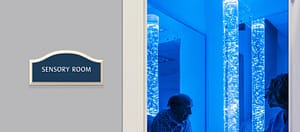
Not every attendee thrives in a high-energy environment filled with constant activity. Consider providing a dedicated quiet room where attendees can recharge between sessions or reducing background music during networking breaks. And always give guests advance notice of moments that may include strobe lighting, pyrotechnics, or other intense production elements.
7. Accessible Presentations are Easier to Follow for All
Difficulty: ★★☆☆☆ | Cost: Moderate
A presentation can be difficult to access even when the content itself is strong. Speakers should use microphones consistently, describe important visuals aloud, and avoid overcrowding slides with small text. Providing presentation materials before or after the session can also help attendees who use screen readers, need more processing time, or benefit from reviewing information at their own pace.
8. Improve Wayfinding Throughout the Event
Difficulty: ★★★☆☆ | Cost: Moderate
Poor wayfinding creates unnecessary stress, especially for attendees with visual impairments, mobility limitations, or anxiety. Signs should use large, readable text, strong contrast, clear arrows, and consistent room names throughout the venue. Avoid placing signs too high, too low, or in locations where crowds may block them. For larger meetings, accessible digital maps or step-by-step directions can help guests understand the route before they even begin moving through the space.
9. Offer Captioning and Assistive Listening Options
Difficulty: ★★★☆☆ | Cost: Moderate
.
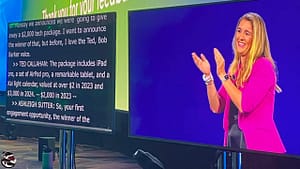
Live captioning can significantly improve the meeting experience for attendees who are Deaf or hard of hearing, but its value extends beyond that audience. Captions also support attendees who process information better through reading, people for whom English is not their first language, and guests seated in areas where audio may be difficult to hear. Assistive listening devices can provide additional support in larger rooms, especially when acoustics are inconsistent. For important keynotes, educational sessions, and executive presentations, these services can be well worth the investment.
10. Build Accessibility Into Your Event Technology
Difficulty: ★★★★☆ | Cost: Moderate to High
The event website, registration platform, mobile app, downloadable materials, and virtual components should all be easily accessible. Digital content should be compatible with screen readers, usable with keyboard navigation, and designed with strong color contrast and readable type sizes. Images should include alt text, videos should have captions, and PDFs should be properly formatted rather than simply uploaded as flat images. These improvements require more coordination with technology partners, but they help ensure that attendees can access important information independently before, during, and after the meeting.
11. Provide Sign Language Interpretation When Needed
Difficulty: ★★★★☆ | Cost: High
 For attendees who communicate primarily through American Sign Language (ASL), captions may not provide the same level of access as a qualified interpreter. Professional ASL interpretation can be especially important during panels, Q&A discussions, workshops, and networking experiences where audience participation can really matter. Interpreters should be booked well in advance and given access to scripts, speaker notes, terminology, and presentation materials so they can prepare. Thoughtful placement, lighting, and sight lines are also essential so attendees can easily see both the interpreter and the stage.
12. Partner with Accessibility Experts for Larger Events
Difficulty: ★★★★★ | Cost: High
For programs or meetings with a significant number of attendees requesting accommodations, an accessibility consultant can review the full attendee journey to ensure it is truly accessible. This level of support requires more investment, but it can prevent expensive mistakes, reduce risk, and create a more consistent experience across an event.
Accessibility is all about creating an experience where every attendee feels considered from the moment they register until they head home. Many of the ideas on this list are easy to implement, and together they can make a noticeable difference in how guests experience your event.
If you're planning a meeting and want help creating an experience that's thoughtful, inclusive, and memorable, we'd love to help. We'd love to start the conversation and help you discover how accessibility can be seamlessly woven into your next event from day one.